January 10, 2026
MAMA AFRICA PENDO
Transforming Lives, Building Hope


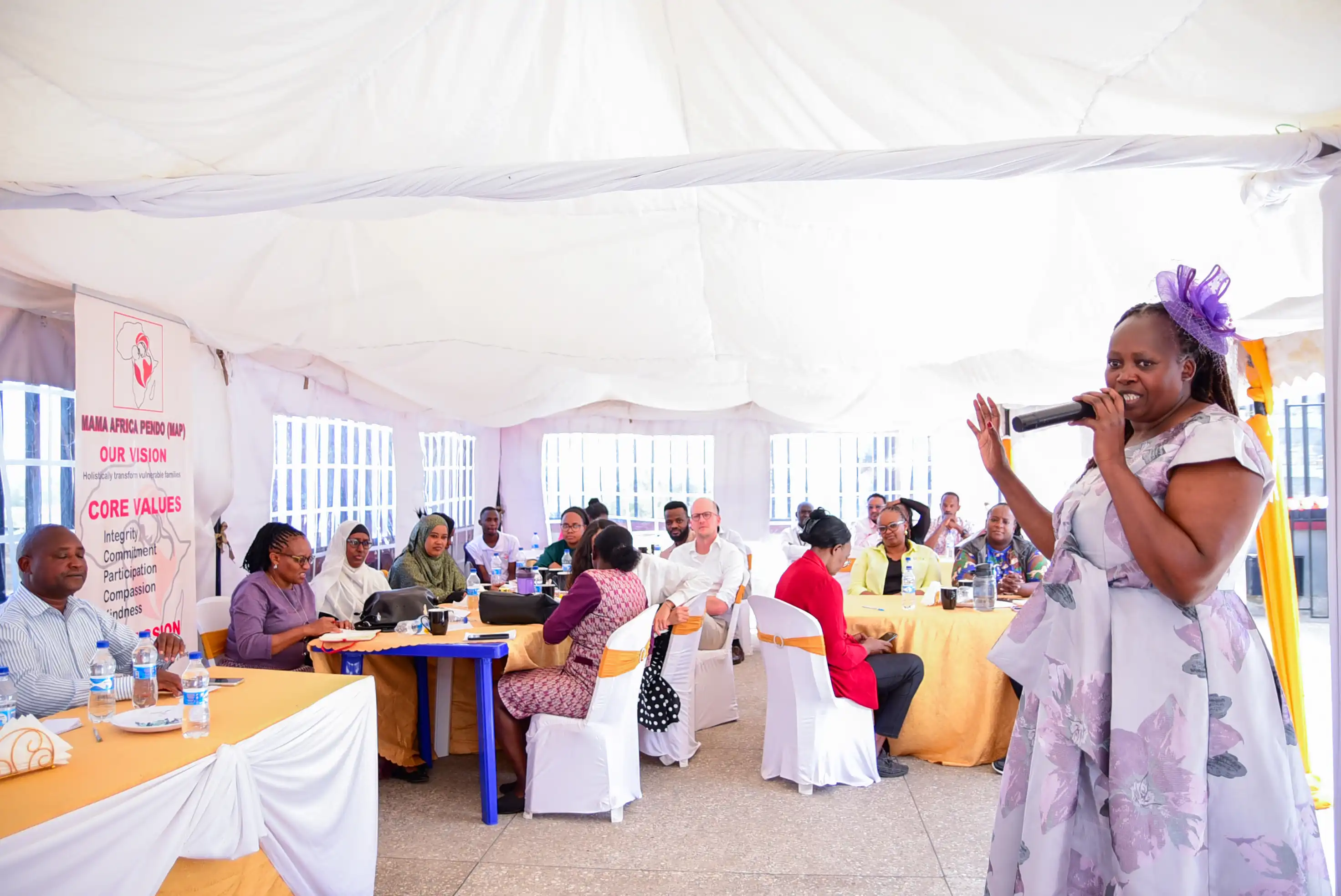
In informal settlements like Mathare, mental health has long been a taboo subject. Many residents associate psychological struggles with weakness or spiritual possession, leading to widespread stigma and a reluctance to seek help. Our MHPSS program is working to change this narrative.
Studies suggest that up to 30% of residents in urban informal settlements experience symptoms of depression or anxiety. In Mathare, these numbers may be even higher due to factors like extreme poverty, overcrowding, lack of sanitation, and exposure to violence.
"Before the awareness campaigns, most people didn't even have words to describe what they were feeling," explains our lead counselor, Grace Wanjiku. "They knew something was wrong, but they didn't know it had a name or that help was available."
Our approach centers on training community health workers (CHWs) who live in Mathare to identify and support neighbors struggling with mental health challenges. These CHWs serve as trusted bridges between the community and professional mental health services.
In 2024 alone, our network of 25 trained CHWs provided initial support to over 800 individuals and referred 234 people for specialized counseling services.
One of our most successful interventions has been the establishment of Gender-Based Violence support groups. These weekly gatherings provide survivors with a safe space to share their experiences, learn coping strategies, and support one another.
"The group gave me my voice back," shares one participant who asked to remain anonymous. "For the first time, I realized I wasn't alone, and I wasn't crazy. What happened to me wasn't my fault."
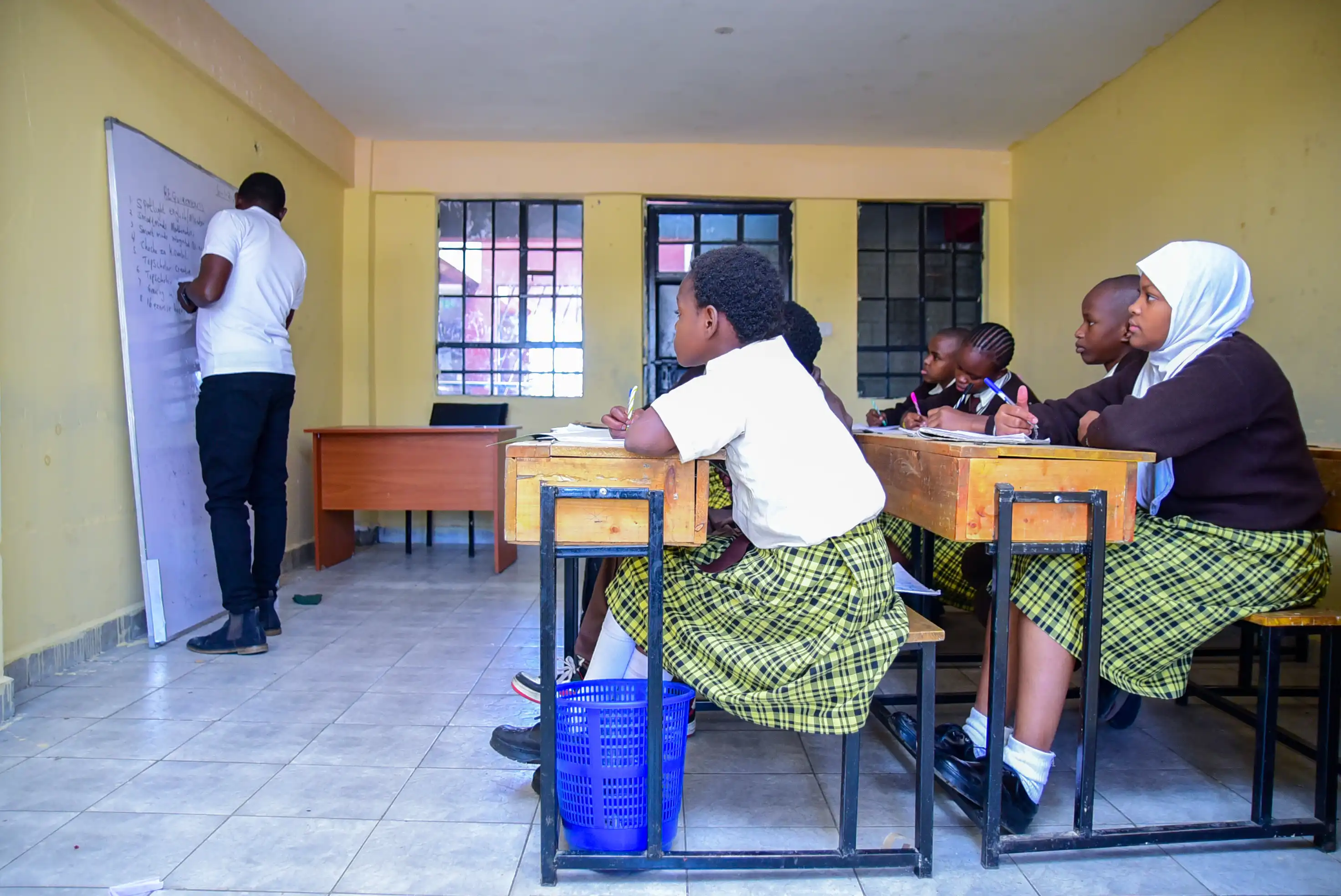
Rather than treating mental health as a separate issue, we integrate psychosocial support into all our programs�from education to women's empowerment. Teachers at our Education Centre are trained to recognize signs of trauma in children. Women in our table banking groups receive stress management training alongside financial literacy.
This holistic approach recognizes that mental health is not a luxury but a fundamental component of overall wellbeing and community development.
January 10, 2026
January 08, 2026
January 05, 2026
December 28, 2025